Most 'dangerous tourist places' are safe for those who respect their rules: a licensed local guide, the right season, insurance covering adventure and medical evacuation, and turning back when weather changes or symptoms appear. The real danger is carelessness — a selfie on the edge, a rushed ascent, an ignored sign.
Some natural sites lie near borders or unstable areas. Check your government's travel advice before booking and go only with licensed local operators.
Volcanoes and burning deserts

Kawah Ijen volcano
Famous for the night-time 'blue fire' of burning sulphur gases and a turquoise acid lake. The real risk: toxic sulphur gas blown your way and a night descent on rocky slopes.
Safely: with a guide, a proper gas mask, and not at all with asthma or heart or lung conditions.
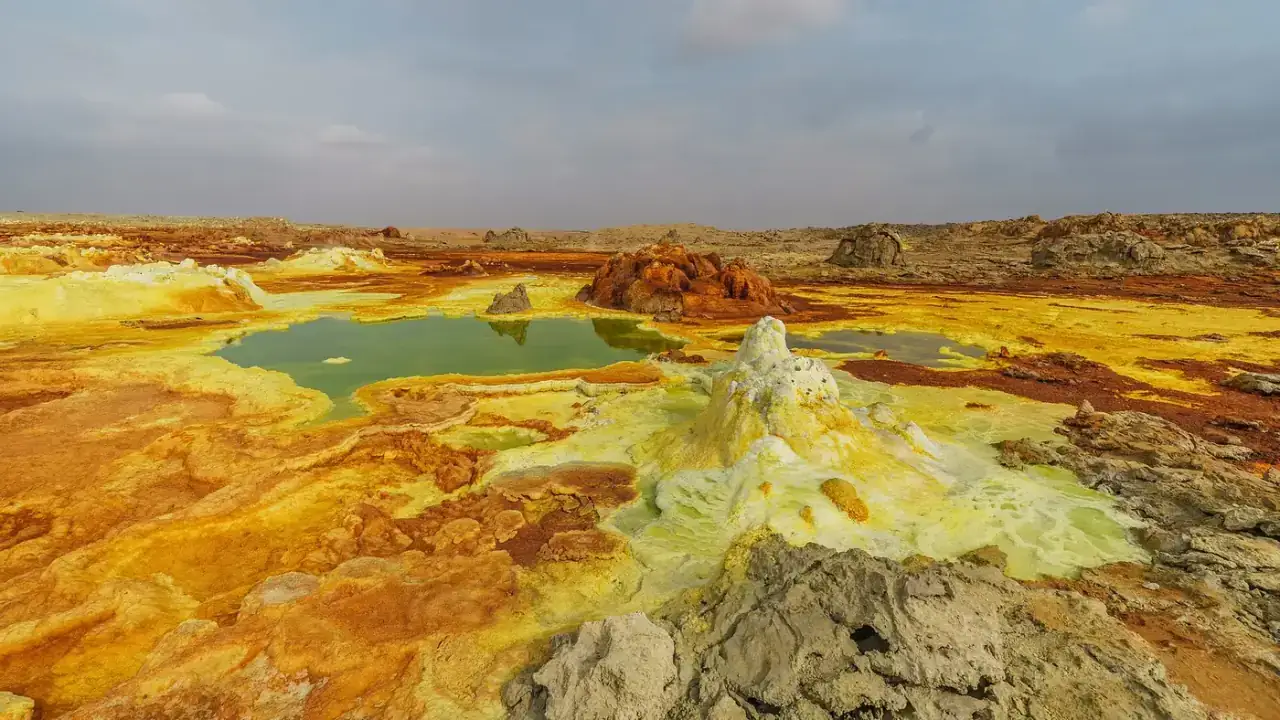
Dallol & the Danakil Depression
One of the hottest inhabited places on Earth, with yellow-green springs and acid pools. Risks: extreme heat, fragile crust over acidic water, remoteness and a sensitive border region.
Safely: in the cooler months only, with a licensed operator and convoy, plenty of water and never off the marked path.
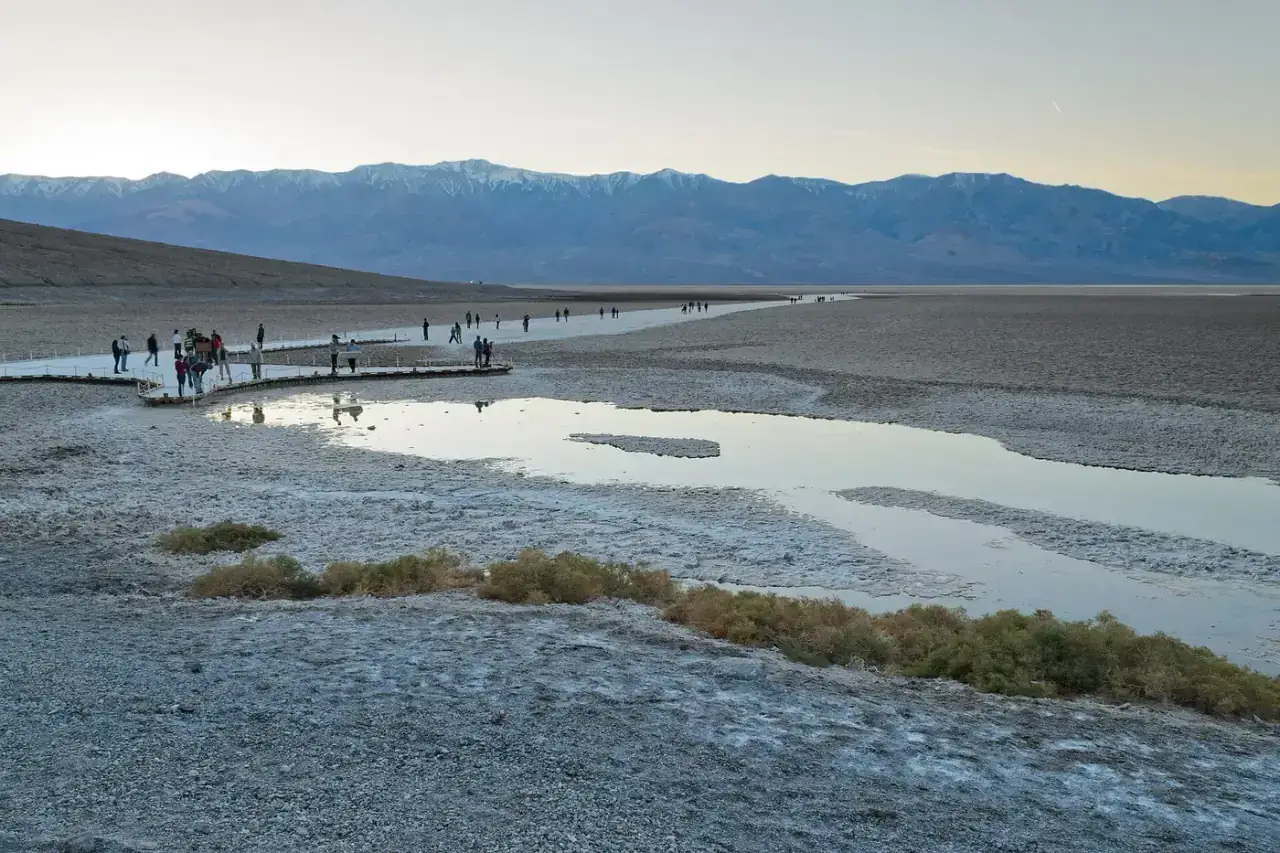
Death Valley
North America's lowest point and among the hottest places recorded. Risks: heatstroke and dehydration in summer and breakdowns without signal.
Safely: November to March; in summer stay near the car and avoid trails after 10 am.
Breathtaking edges
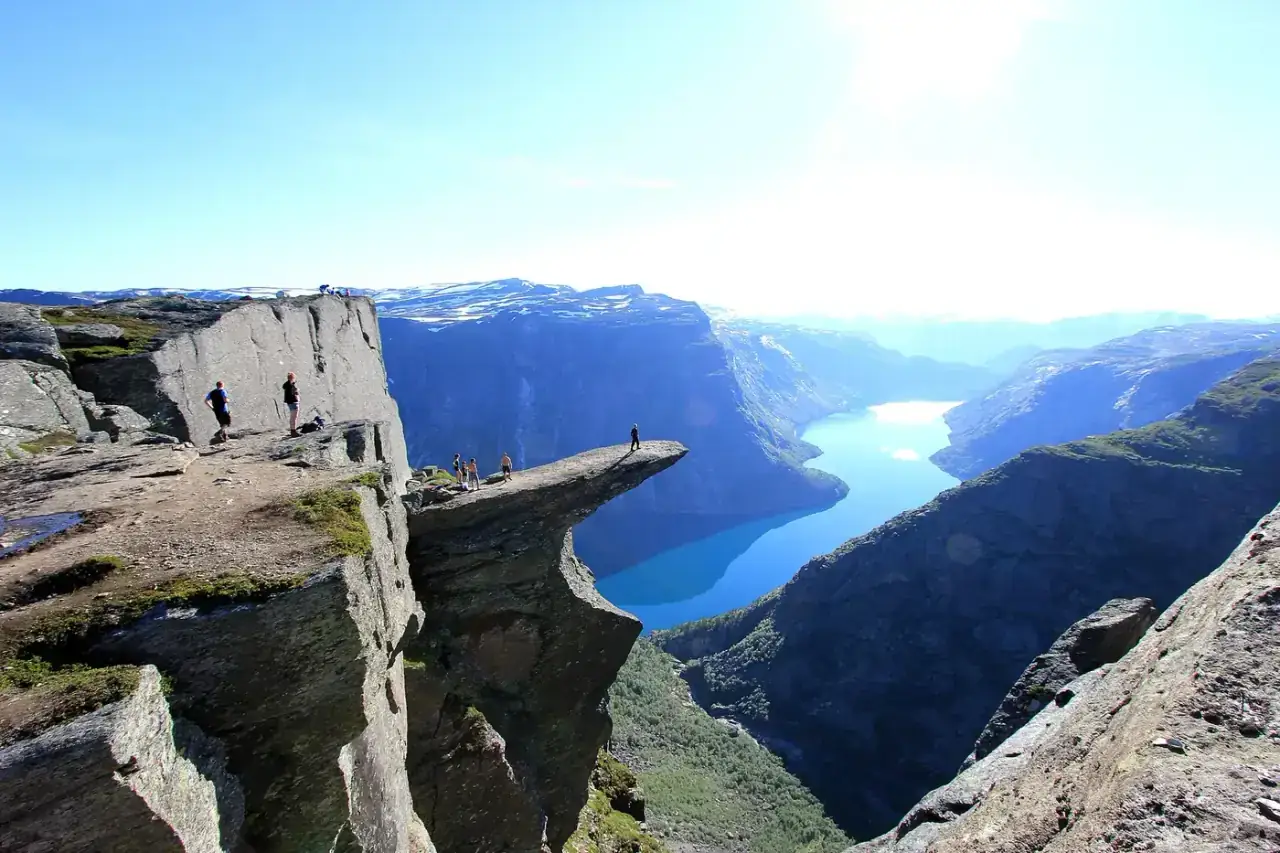
Trolltunga
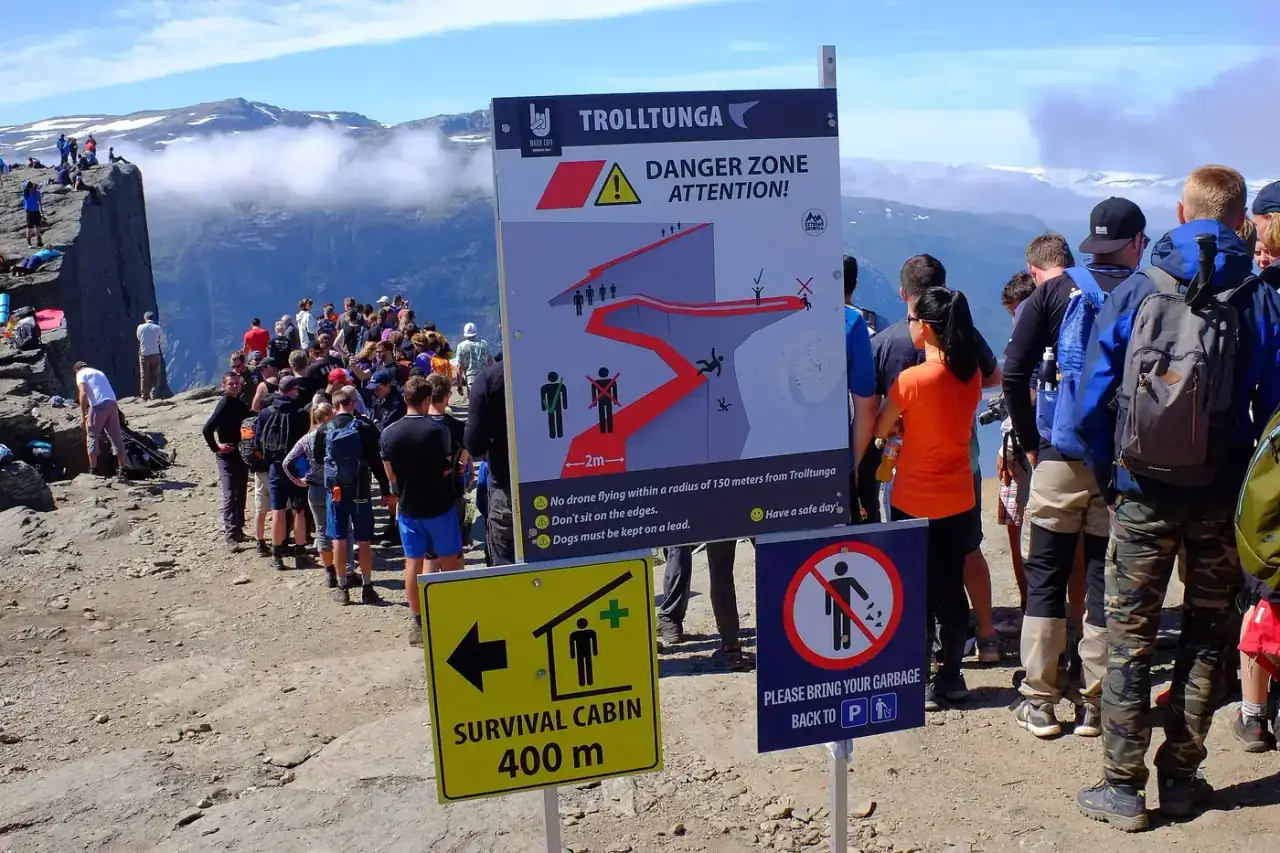
A rock tongue hanging hundreds of metres above a lake. The real risk is the very long hike and changeable weather — many rescues are due to exhaustion and darkness, not falls.
Safely: in summer, or with a certified guide and winter gear off-season. Start early, set a turnaround time and stay back from the edge in wind.
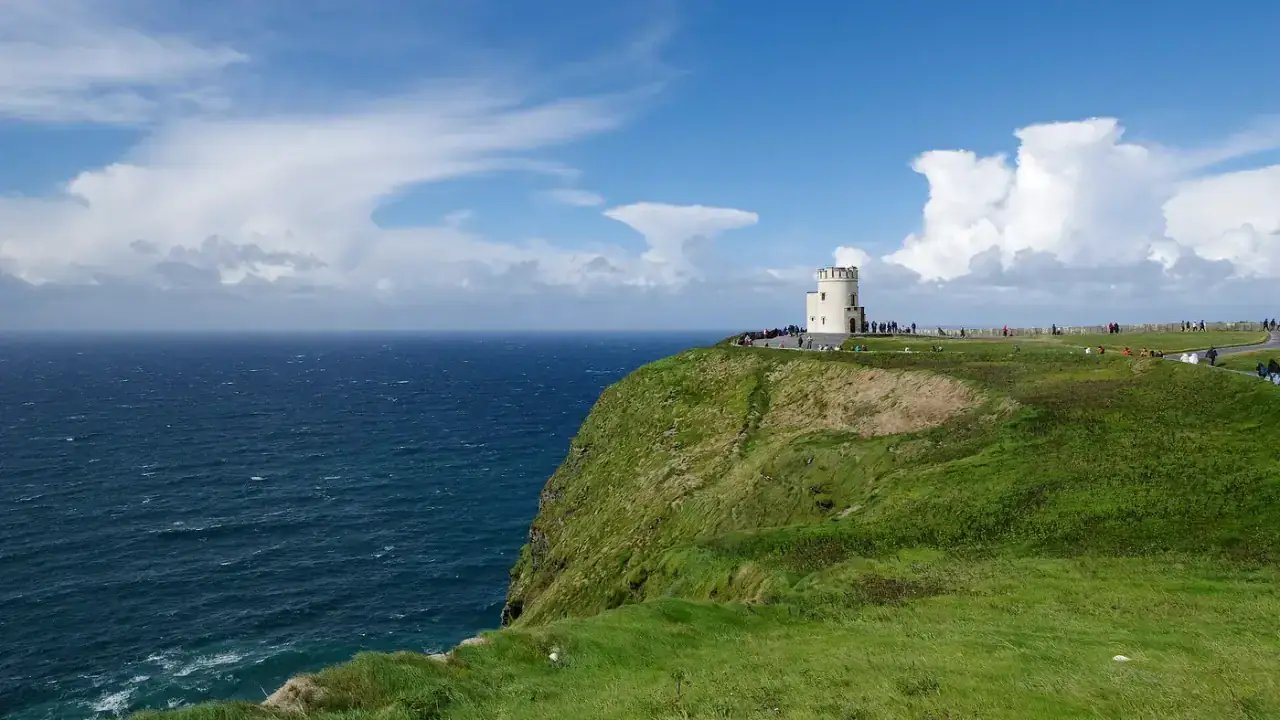
Cliffs of Moher
Kilometres of cliff above the Atlantic. Risk: sudden strong winds and unfenced edges on side paths.
Safely: stick to the official fenced paths and keep children close.
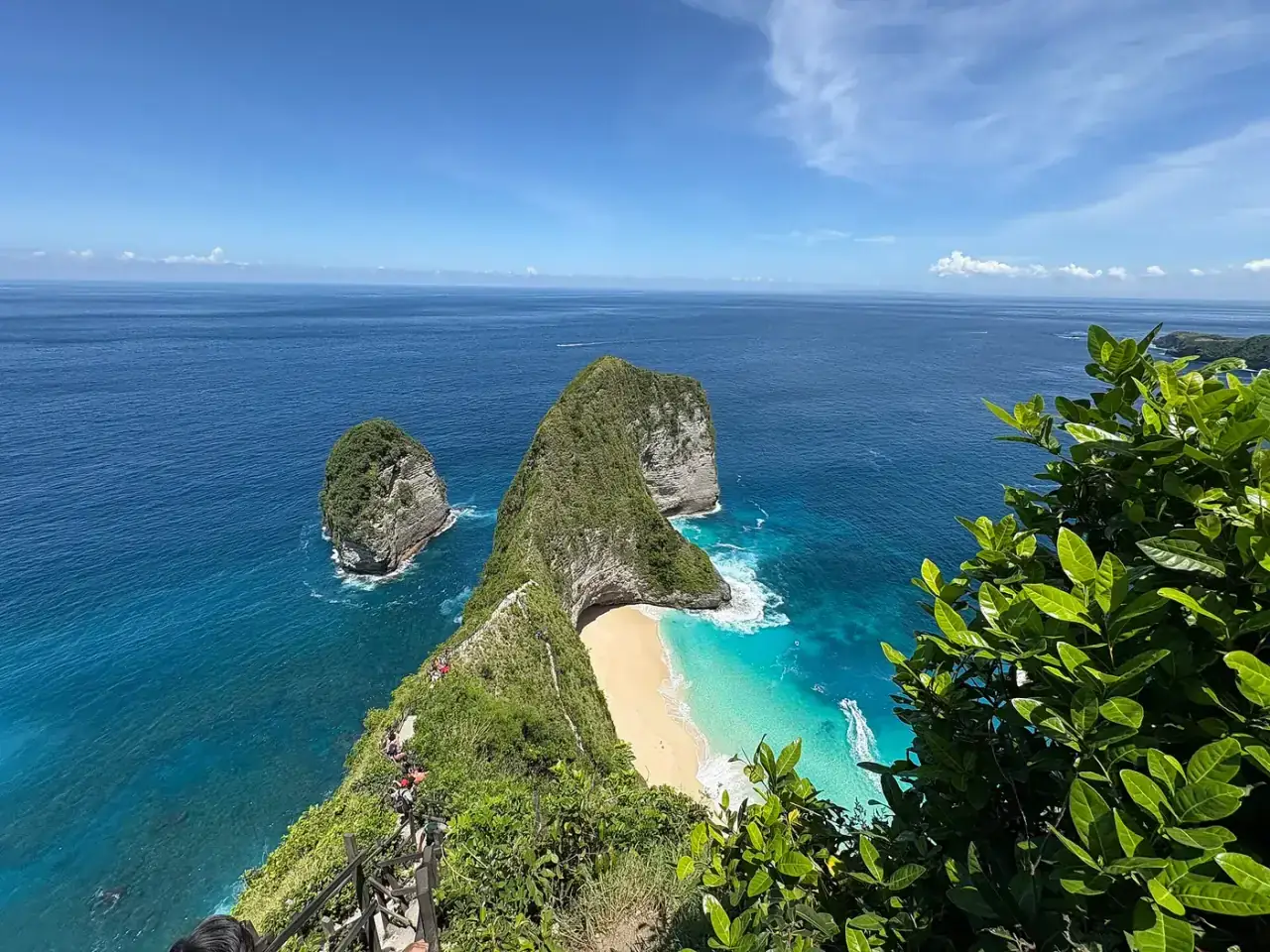
Kelingking Beach
The 'T-Rex' cliff above a turquoise beach. Risks: a very steep path, slippery after rain, and strong currents below.
Safely: enjoy the view from the top if you're not fit, wear proper shoes and don't swim in big waves.
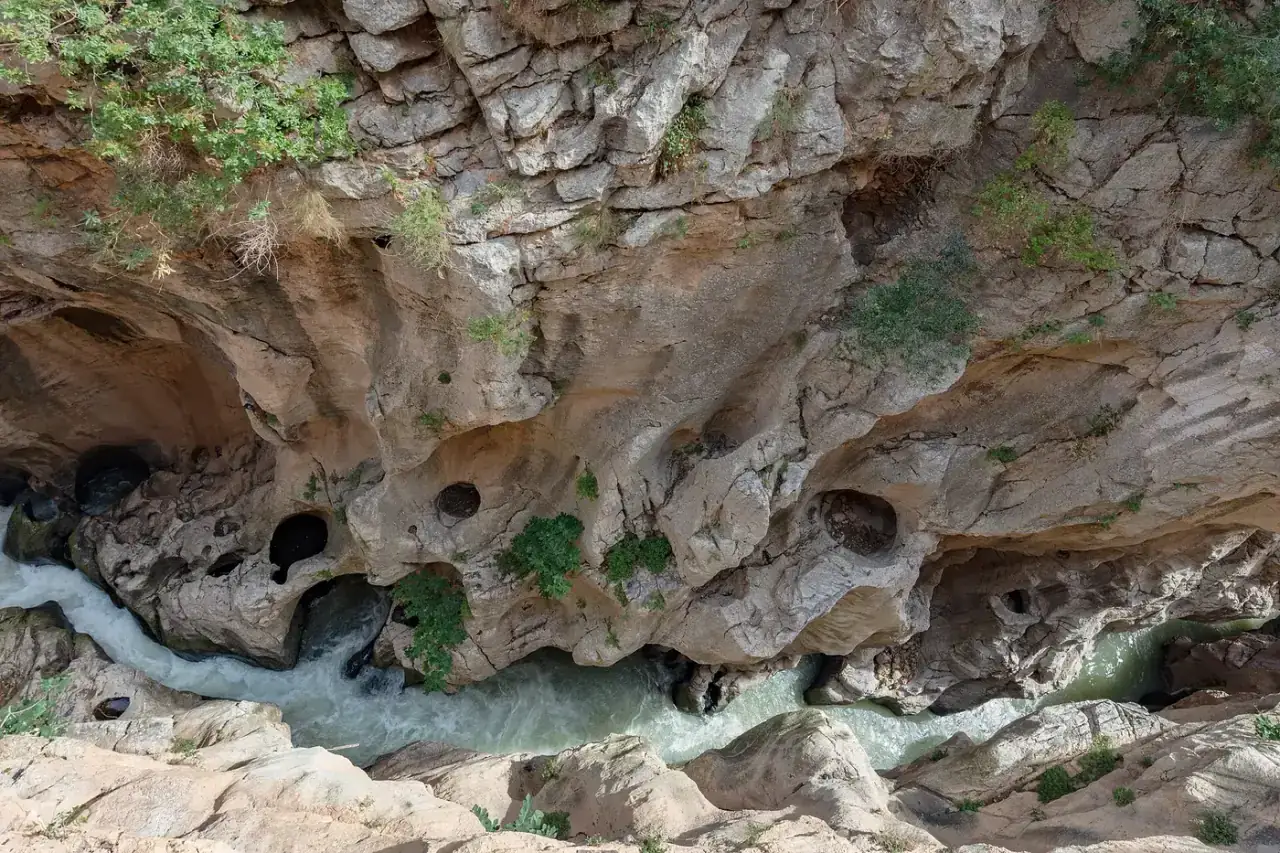
Caminito del Rey
Once dubbed 'the world's most dangerous path', it is now a restored, safe boardwalk. Today: timed tickets and mandatory helmets; it closes in bad weather.
Lesson: a place's old reputation may not match its present — and vice versa.
Water, falls and depths
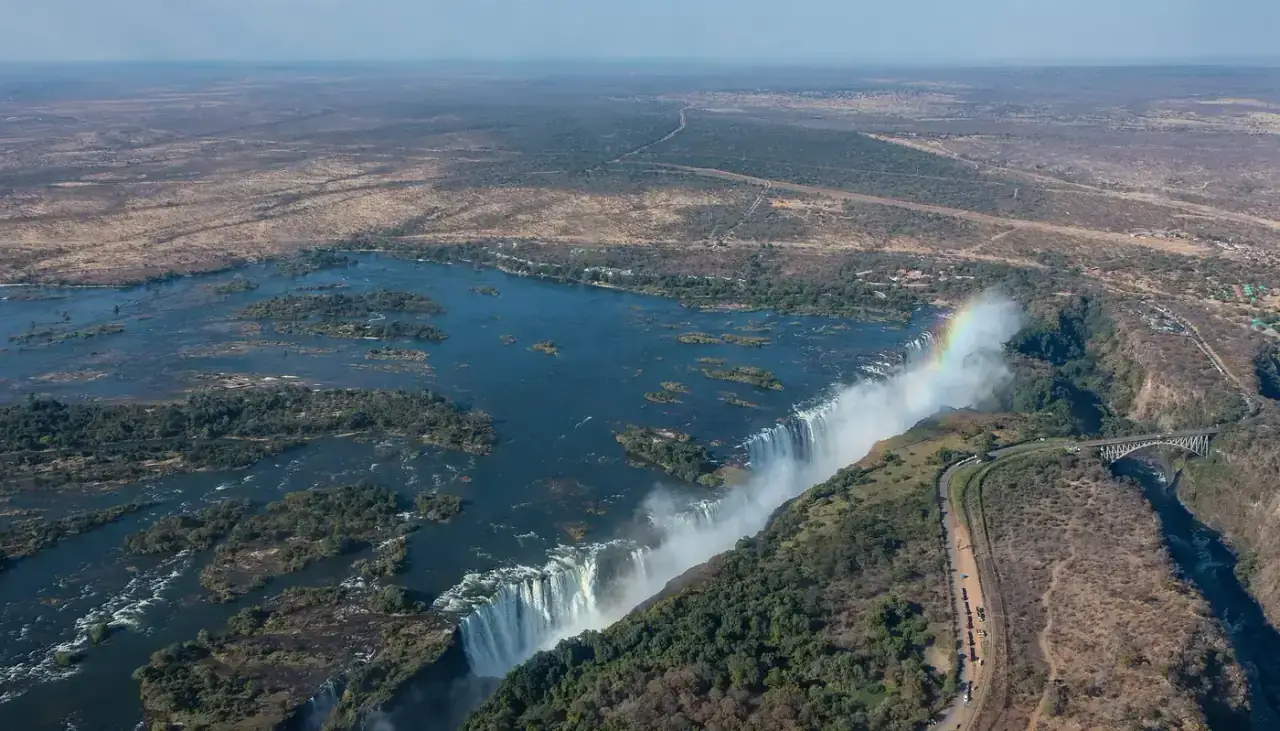
Devil's Pool — Victoria Falls
A natural pool on the edge of one of the world's greatest waterfalls. It opens only when the Zambezi is low in the dry season, and only with guides.
Safely: official licensed tours only and follow the guide to the letter.
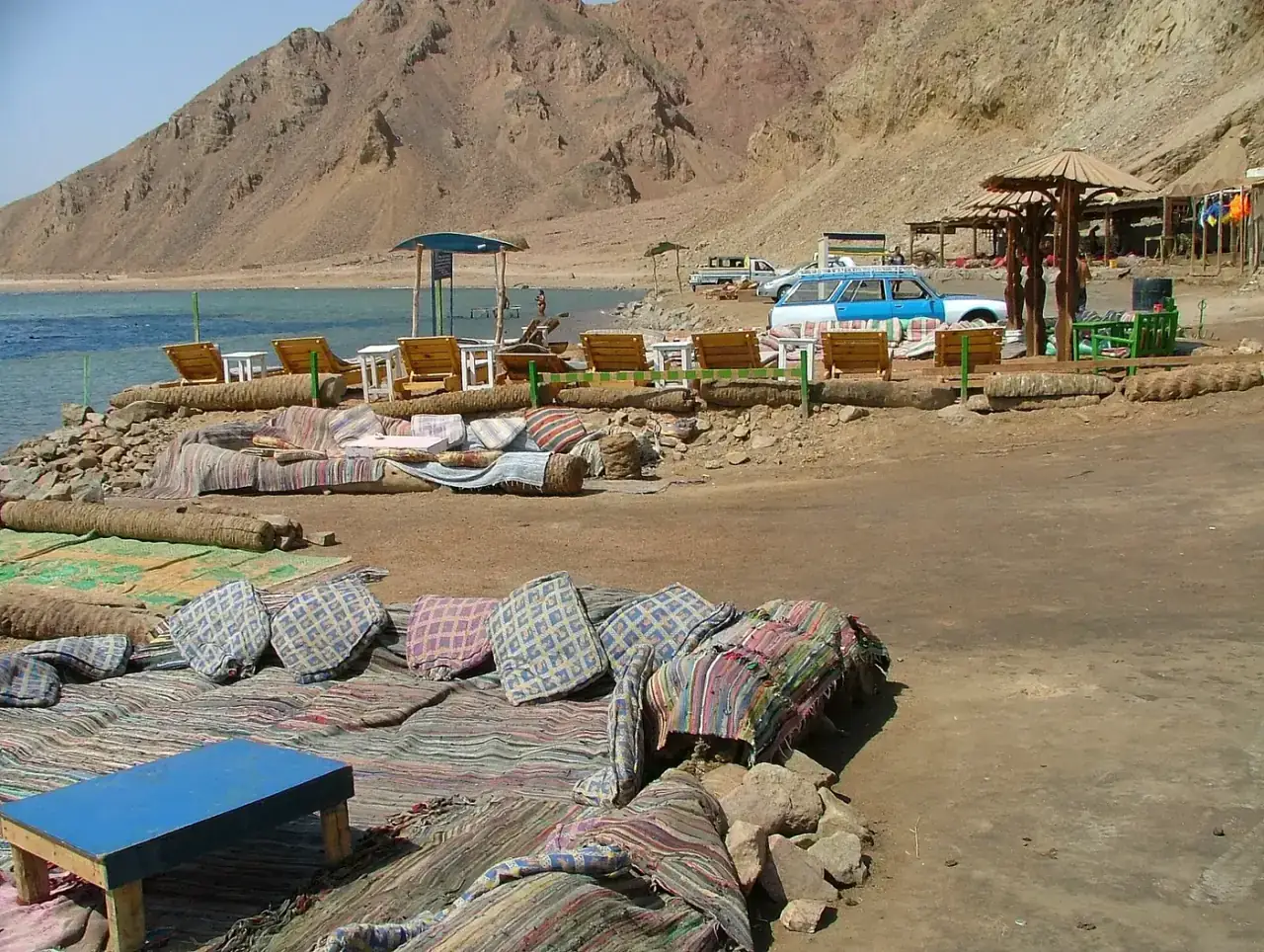
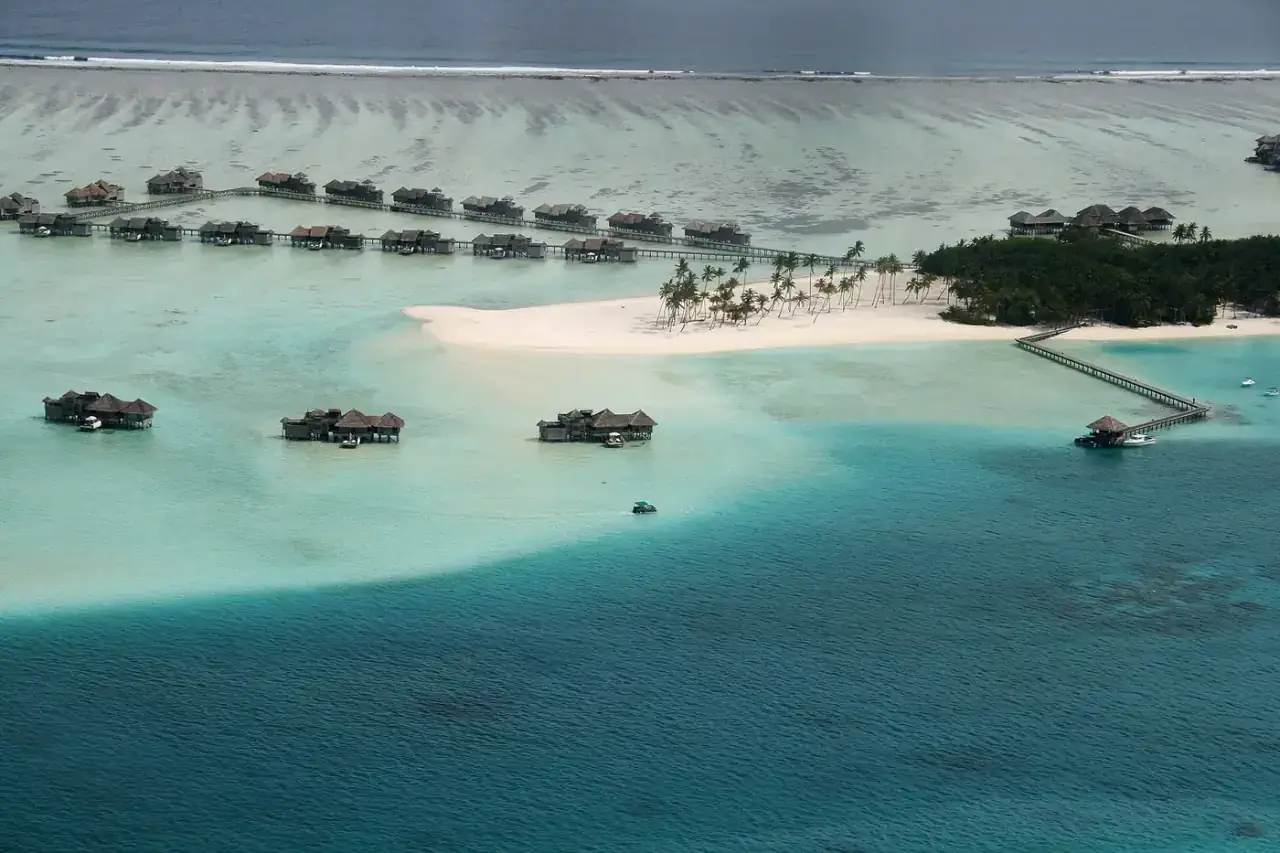
The Blue Hole
A very deep marine sinkhole and a world-famous dive site. The surface is great for snorkelling, but deep diving — especially attempts at the deep 'Arch' — has caused many accidents among divers exceeding their training.
Safely: snorkel with a life vest, or dive within your certification with an accredited centre.
Peaks and altitude
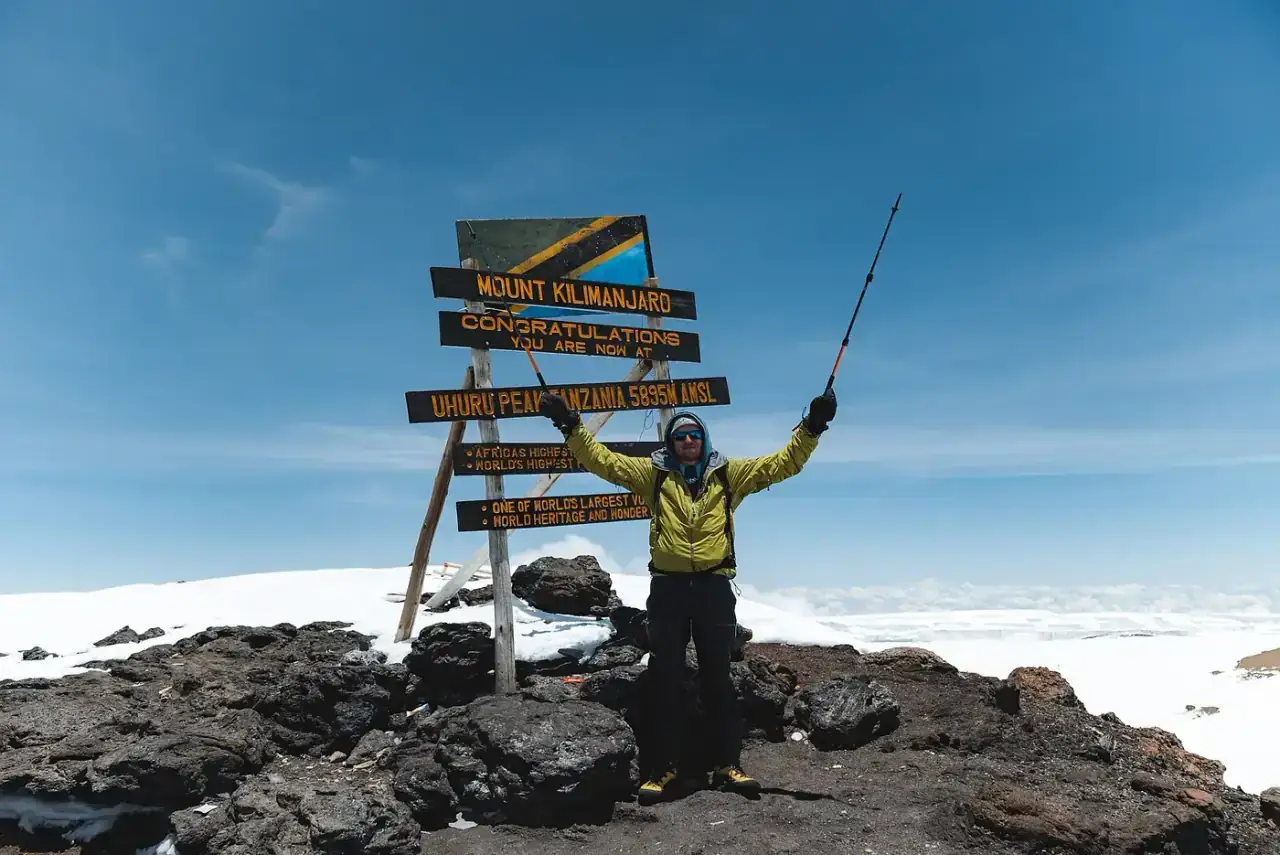
Kilimanjaro — Uhuru Peak
Africa's highest summit, climbable without technical gear — which is why many underestimate it. The real risk is altitude sickness.
Safely: choose a longer route with acclimatisation days, licensed operators and guides (mandatory in the park), and descend if symptoms worsen.
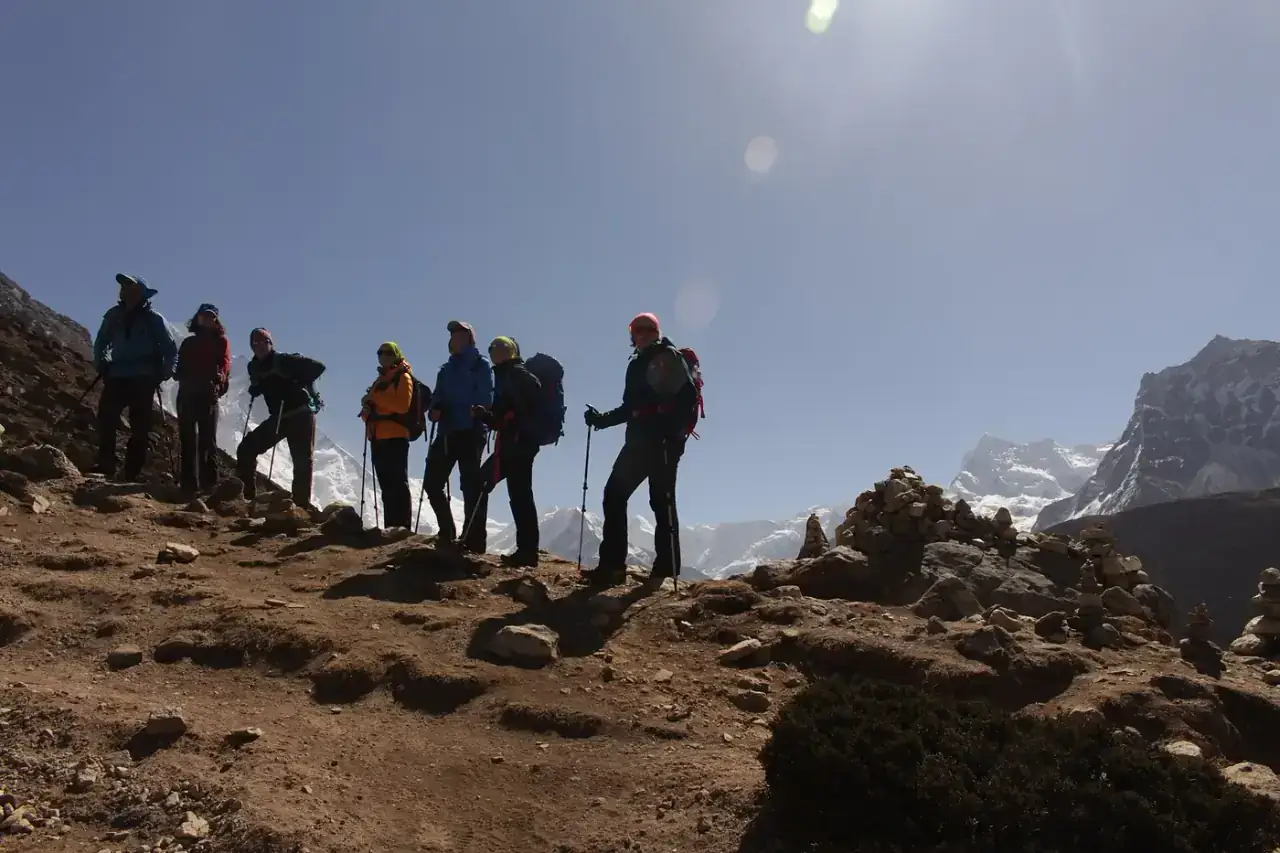
Everest Base Camp
A multi-day trek through Sherpa villages to the base of the world's highest mountain. Risks: high altitude, cold and remote evacuation (often by helicopter).
Safely: acclimatisation days, insurance covering helicopter evacuation and months of fitness training.
Golden rules for any adventure
Make sure your policy covers the specific activity and medical evacuation.
Weather, trails and emergencies — don't economise on safety.
The same place can be safe one month and dangerous the next.
Share your route and expected return time.
Most cliff accidents happen while getting close for a photo.
Chronic conditions, pregnancy or limited fitness are reasons to choose an easier option.
A well-planned adventure with Alwan
We arrange nature and adventure trips with licensed local partners and help with visas, flights and suitable insurance. Closer to home: Cappadocia's balloons and Uludağ's snow.
Plan a safe adventure tripKeep reading: Packing list · Best warm winter destinations
Frequently asked questions
What are the most dangerous tourist places?
Well-known examples: Kawah Ijen in Indonesia (sulphur gases), Ethiopia's Danakil and Dallol (extreme heat), Dahab's Blue Hole (deep diving), Norway's Trolltunga (long hike, high ledge) and high peaks like Kilimanjaro and Everest Base Camp (altitude sickness).
Does regular travel insurance cover adventure activities?
Often not. Many policies exclude deep diving, high-altitude trekking and extreme sports. Read the terms and add adventure and medical-evacuation cover.
What is altitude sickness?
Some people above roughly 2,500 m get headaches, nausea and dizziness from low oxygen. Ascend gradually, take acclimatisation days, drink water and descend if symptoms worsen.
Do I need a local guide?
At most of these places yes — some require one, and everywhere a local guide knows the weather, trails and emergencies better than any app.